By Mohi Narayan
February 21, 20248:40 AM GMT+1Updated an hour ago
NEW DELHI, Feb 21 (Reuters) – Oil prices regained some ground in Asian trade on Wednesday amid concerns over attacks on shipping in the Red Sea and growing expectations that cuts to U.S. interest rates will take longer than thought.
Brent crude futures rose 24 cents or 0.3% to $82.58 a barrel by 0721 GMT, while U.S. West Texas Intermediate crude futures (WTI) were up 21 cents or 0.3% at $77.25.
The Brent and WTI contracts fell 1.5% and 1.4%, respectively, from near three-week highs on Tuesday as the premium for prompt U.S. crude futures to the second-month contract more than doubled to $1.71 a barrel – its widest level in roughly four months.
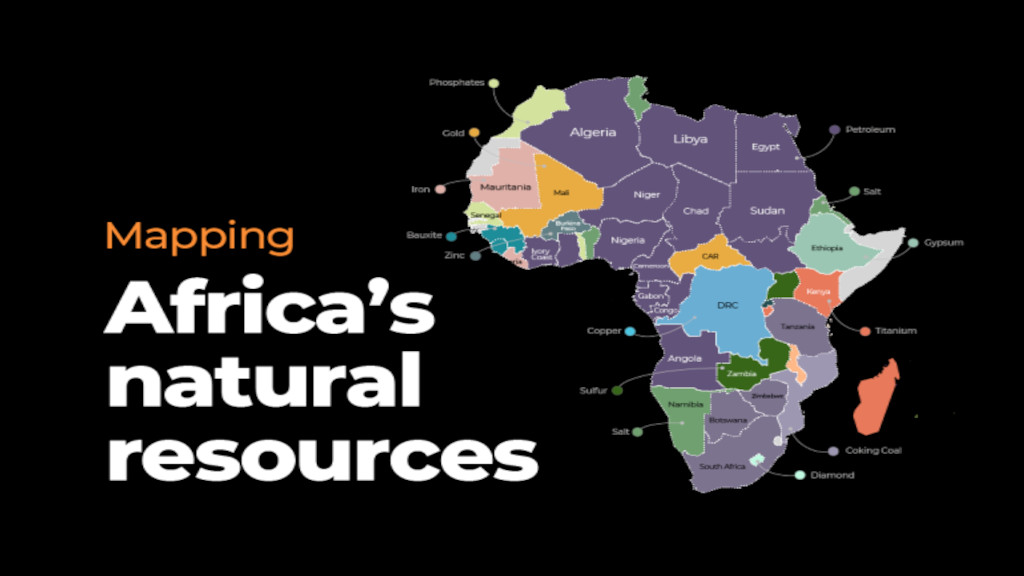
Beneath the surface of Africa lies a wealth of mineral resources of enormous value. In 2019, the continent produced almost 1 billion tonnes of minerals worth $406bn.
According to the United Nations, Africa is home to about 30 percent of the world’s mineral reserves, 12 percent of the world’s oil and 8 percent of the world’s natural gas reserves.
The continent also holds 40 percent of the world’s gold and up to 90 percent of its chromium and platinum – both valuable metals.
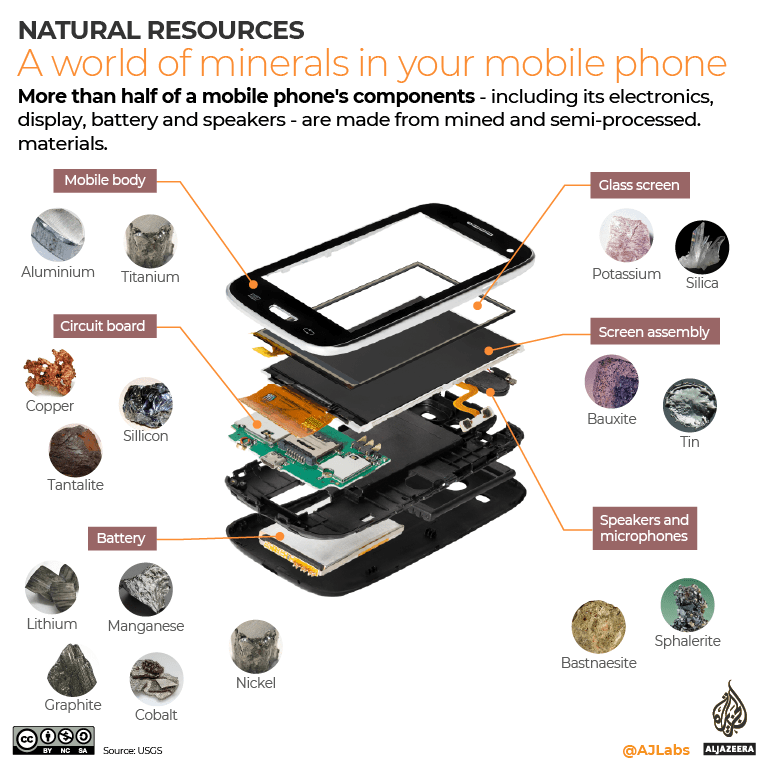
A world of minerals in your mobile phone
Most of the electronics we use today are based on a number of minerals – from aluminium to zinc.
In 2021, some 1.5 billion smartphones were sold around the world – up from 122 million units in 2007. As of 2020, nearly four in five (78 percent) people own a smartphone.
More than half of a mobile phone’s components – including its electronics, display, battery and speakers – are made from mined and semi-processed materials.
Lithium and cobalt are some of the key metals used to produce batteries. In 2019, about 63 percent of the world’s cobalt production came from the Democratic Republic of the Congo.
Tantalum is another metal used in electronic equipment. Tantalum capacitors are found in mobile phones, laptops and in a variety of automotive electronics. The DRC and Rwanda are the world’s largest producers of tantalum. Together they produce half of the world’s tantalum.
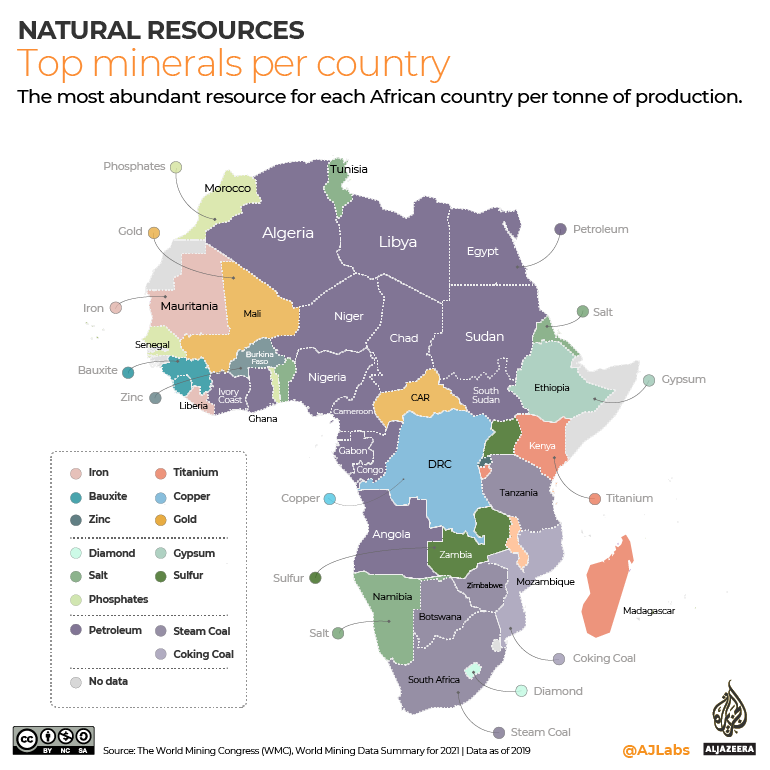
Top minerals per country
Petroleum and coal are among the most abundant minerals for 22 out of Africa’s 54 countries. As of 2019, Nigeria produced most of the continent’s petroleum (25 percent), followed by Angola (17 percent), and Algeria (16 percent).
Metals including gold, iron, titanium, zinc and copper are the top produced minerals for 11 countries. Ghana is the continent’s largest producer of gold, followed by South Africa and Mali.
Industrial minerals such as diamonds, gypsum, salt, sulphur and phosphates were the main commodity for 13 African countries. The DRC is Africa’s largest industrial diamond producer, followed by Botswana and South Africa. Botswana ranks number one in Africa for the production of gem-quality diamonds – used for jewellery.
Mineral wealth
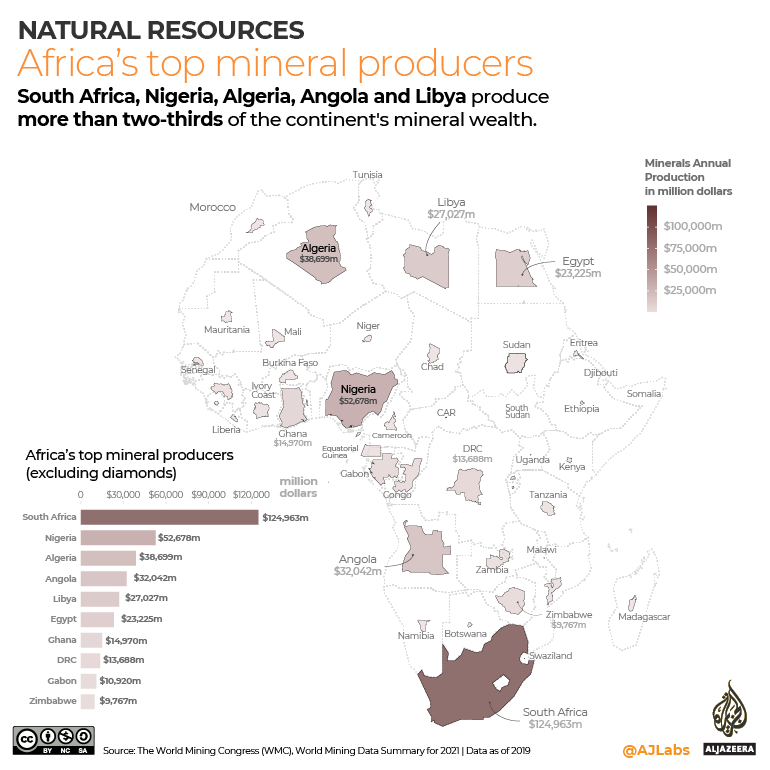
At $125bn per year, South Africa generates the most money from its mineral resources. Nigeria comes in second with $53bn per year, followed by Algeria ($39bn) Angola ($32bn) and Libya ($27bn).
These five countries produced more than two-thirds of the continent’s mineral wealth.
The world’s minerals
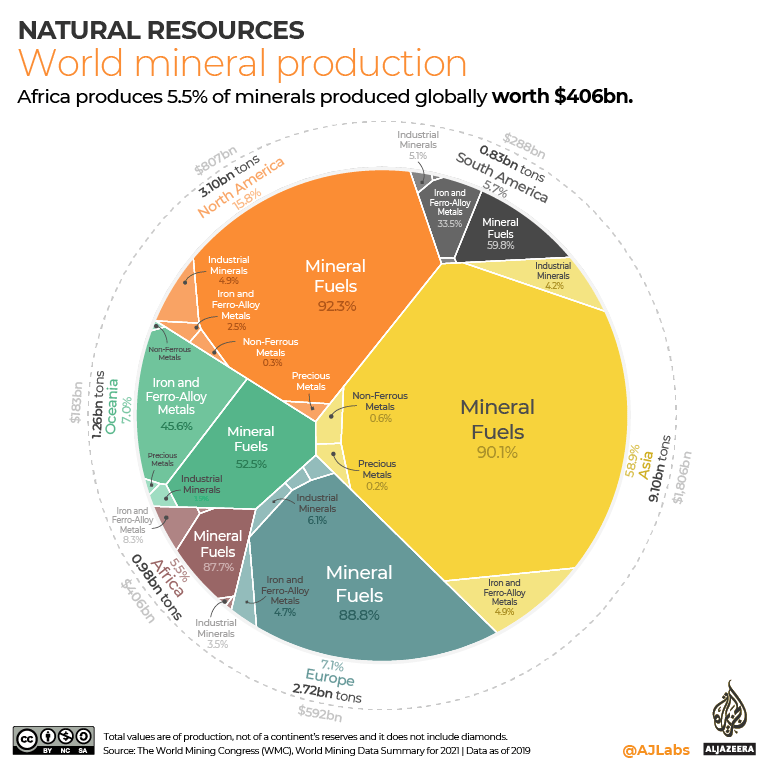
According to The World Mining Congress (pdf), the world extracted some 17.9 billion tonnes of minerals in 2019.
Asia was the largest producer, accounting for 59 percent of the world’s total production valued at $1.8 trillion. North America was second with 16 percent, followed by Europe at 7 percent.
Africa produced about 5.5 percent of the world’s minerals worth some $406bn.
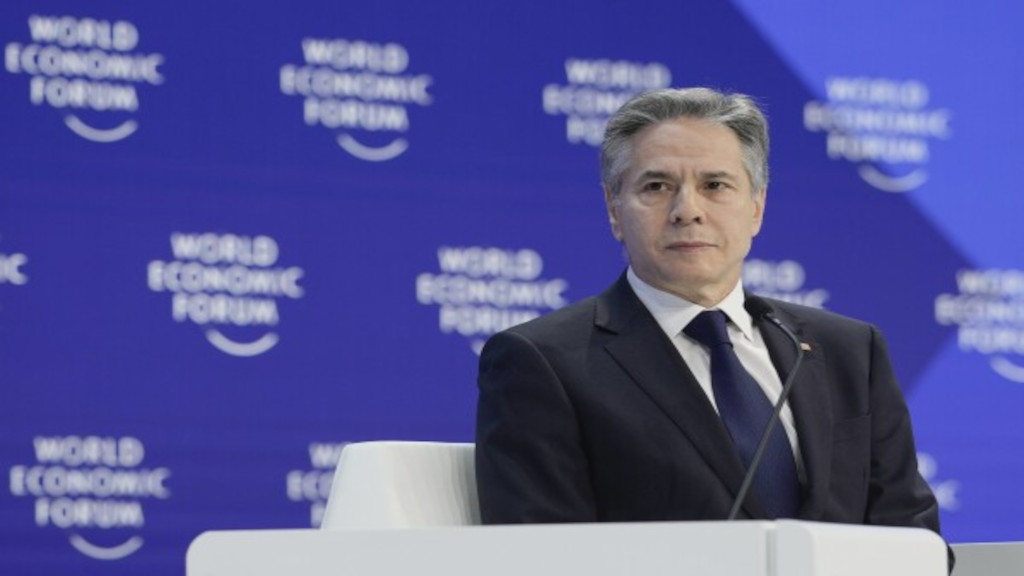
WASHINGTON (AP) — Secretary of State Antony Blinken is planning to visit four African countries as the Biden administration tries to keep its eyes on all corners of the world while being consumed by crises in Ukraine, the Mideast and the Red Sea.
The State Department announced on Thursday that Blinken will go to Cape Verde, Ivory Coast, Nigeria and Angola starting Sunday for talks focused on regional security, conflict prevention, democracy promotion and trade. Nigeria is West Africa’s regional heavyweight and plays a major role in security issues, especially those involving Islamic extremist violence in the Sahel, the vast arid expanse south of the Sahara Desert.
The trip will be his third overseas mission in the new year. He returned from a Gaza-focused, weeklong 10-nation trip to the Middle East last Thursday and a three-day trip to the World Economic Forum in Switzerland on Wednesday.
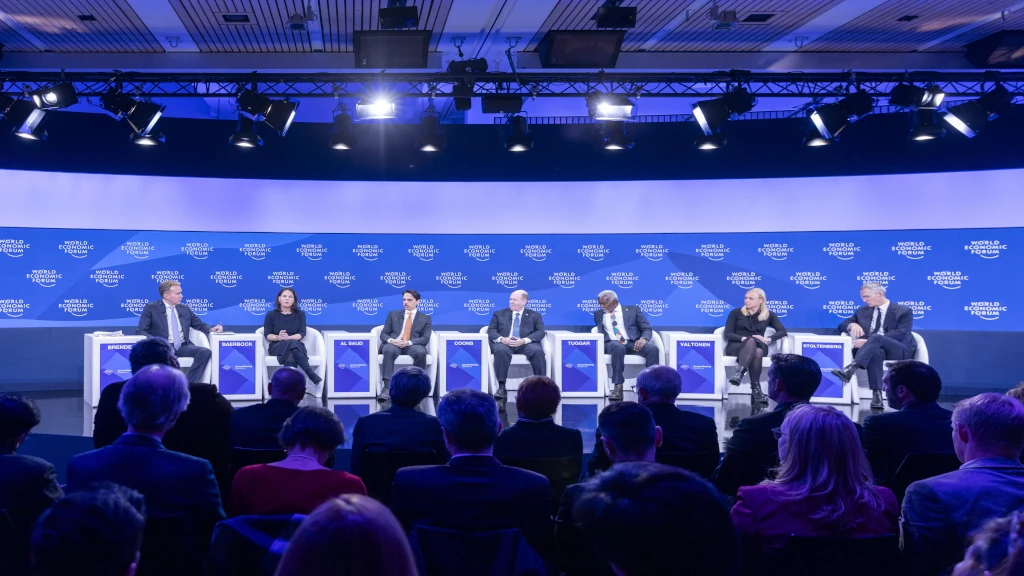
Annalena Baerbock, Federal Minister of Foreign Affairs of Germany; H.H. Prince Faisal bin Farhan Al Saud, Minister of Foreign Affairs of Saudi Arabia; Christopher A. Coons, Senator, USA; Yusuf Tuggar, Minister of Foreign Affairs of Nigeria; Elina Valtonen, Minister for Foreign Affairs of Finland; and Jens Stoltenberg, NATO Secretary-General, in a session of global security on 16 January. Image: World Economic Forum
In Davos, the United Nations Development Programme (UNDP) launched the “timbuktoo” initiative in collaboration with African countries. The initiative, unveiled during a special session at the 24th Annual Meeting of the World Economic Forum, aims to be the world’s largest financing facility, uniting catalytic and commercial capital to bolster Africa’s startup ecosystem.
H.E. President Paul Kagame of Rwanda, H.E. President Nana Akufo-Addo of Ghana, the Secretary-General of the African Continental Free Trade Area Secretariat, HE Wamkele Mene, and UNDP Administrator Mr. Achim Steiner presented the initiative to global corporate leaders and African financial institutions. The timbuktoo initiative is poised to spark the African Startup Revolution, leveraging Africa’s youth demographic and innovative talent.
The initiative targets critical gaps in the African startup ecosystem, collaborating with governments, investors, corporates, and universities to foster innovation. H.E. Paul Kagame pledged an immediate contribution of US$3 million to kickstart the timbuktoo Africa Innovation Fund hosted in Kigali, with a billion-dollar target to create opportunities for Africa’s youth.
H.E. Nana Akufo-Addo emphasized the need for supportive structures to enable young Africans to create innovative businesses, contributing to job creation and sustainable economic growth. Administrator Steiner highlighted timbuktoo as a new development model, focusing on startup-friendly legislation, global-class startup building, de-risking capital, and UniPods (University Innovation Pods) across Africa.
Africa currently holds just 0.2 percent of the global startup value, and 89 percent of venture capital comes from foreign sources, with 83 percent concentrated in four countries. timbuktoo seeks to revolutionize Africa’s knowledge-driven economy, turning ideas into pan-African enterprises, attracting global and local investment.
With private venture capital investments in Africa surging six times faster than the global average in 2022, a vibrant youthful population, and expanding tech startups, timbuktoo aims to mobilize US$1 billion to transform 100 million livelihoods and create 10 million new jobs. The initiative’s unique design blends commercial and catalytic capital to de-risk private investment, fostering a pan-African approach to supporting startups and strengthening the entire ecosystem.
LONDON, Jan 15 (Reuters) – Oil prices lost more than 1 % on Monday as the Middle East conflict’s limited impact on crude output prompted profit taking after oil benchmarks gained 2 % last week.
Brent crude futures were down $1.14, or about 1.5%, at $77.15 a barrel by 1250 GMT and U.S. West Texas Intermediate crude lost $1.15, or 1.6%, to $71.53.
Several tanker owners steered clear of the Red Sea and multiple tankers changed course on Friday after U.S. and Britain launched strikes against Houthi targets in Yemen after the Iran-backed group’s attacks on shipping in response to Israel’s war against Hamas in Gaza.
The conflict has also held up at least four liquefied natural gas tankers travelling in the area.
“The realisation that oil supply has not been adversely impacted is leading last week’s bulls to take profit, with the move down somewhat exacerbated by a slightly stronger dollar,” said Tamas Varga of oil broker PVM.
On Sunday the Houthi militia threatened a “strong and effective response” after the United States carried out another strike overnight. The U.S. later said it shot down a missile fired at one of its ships from Yemen.
The chief negotiator for Yemen’s Houthis on Monday warned that attacks on ships headed towareds Israel will continue.
“As the Middle East conflict is currently not affecting oil production, the geopolitical risk premium priced in oil prices now appears modest based on the implied volatility of options,” Goldman Sachs analysts said in a note.
There have been no oil supply losses so far, but the shipping disruption is indirectly tightening the market by keeping 35 million barrels at sea owing to longer journeys shippers have to take to avoid the Red Sea, Citi analysts wrote.